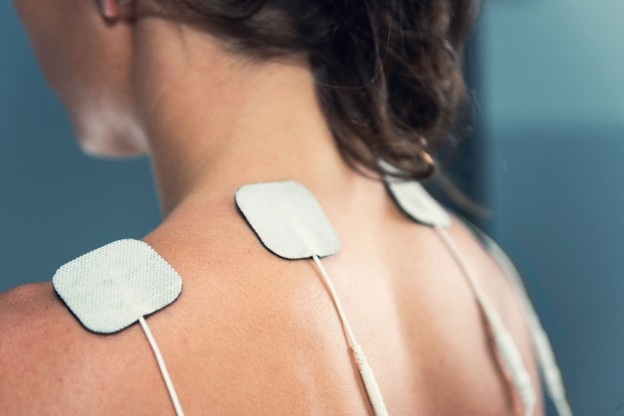
How to Use Electrode Pads Safely and Avoid Skin Irritation

The conversation around replacement electrodes usually focuses on lifespan or cost, but the real story begins much earlier – with how these pads interact with the skin from the moment they’re applied. Most users assume that comfort comes down to gel quality or intensity settings, but anyone familiar with electrotherapy knows the skin has its own logic. It reacts to surface preparation, humidity, adhesive behavior, and the smallest inconsistencies in application.
This is why proper use matters far more than most people expect. Electrical stimulation can be gentle and effective, or it can become a source of irritation that overshadows the benefits entirely. The difference isn’t accidental – it’s the result of preparation, precision, and respect for how electrode pads actually work.
A safe session starts before the pads even make contact with the skin, not when the device is turned on. And that little change in perspective is what distinguishes people who experience consistently comfortable experiences from those who wind up with adhesive annoyance, discomfort, and redness.
Start With the Skin, Not the Device
Before the pads even come into contact with the body, effective electrotherapy starts. Clean skin removes the tiny irritants that frequently cause redness or discomfort and provides electrode pads with a solid surface.
Before application:
- Wash the area with mild soap and water
- Dry thoroughly
- Avoid lotions or oils near the placement sites
- Check for cuts, irritation, or fresh shaving – all of which increase sensitivity
These seemingly routine actions impact how evenly the current travels and how well the adhesive sticks. One of the most often ignored reasons of discomfort is inconsistent skin preparation. Being well-prepared greatly lowers that risk.
Placement Matters More Than People Realize
One widespread misperception is that pads can be positioned “close enough” to a desired region. In addition to affecting outcomes, improper placement hurts the skin by distributing current unevenly.
Proper location necessitates:
- Avoiding bony areas where the skin is thinner
- Spacing electrode pads at least one inch apart
- Keeping pads flat, fully adhered, and free from air bubbles
- Ensuring both pads of a channel sit on similar tissue types
Pads placed too close, too far apart, or partially stuck down create electrical inconsistencies that the skin reacts to quickly. Experienced practitioners treat pad placement with the same seriousness as dose control because both determine how the session feels moment to moment.
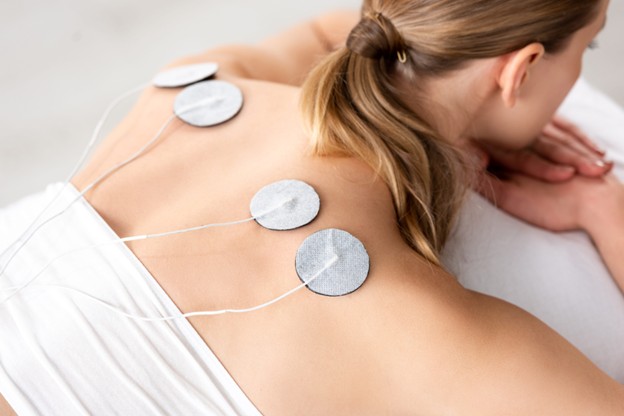
Know When to Replace Your Pads
Users often stretch the lifespan of replacement electrodes further than they should. It is more difficult to determine when they have outlived their optimal lifespan because adhesive performance and current distribution deteriorate gradually.
However, the skin is able to detect it.
Deteriorated pads:
- Pull unevenly
- Cause tingling in the wrong areas
- Leave small hot spots
- Fail to adhere properly
- Increase irritation after sessions
High-quality replacement electrodes typically last multiple sessions, sometimes up to 20–30 uses, but only when handled correctly. Once adhesion begins to decline or gel dries out, replacement isn’t optional. It’s a safety decision.
Humidity and Storage Influence Skin Comfort
People rarely associate storage conditions with skin irritation, but electrode pads respond directly to humidity. Too much moisture and the gel softens excessively; too little and it dries out. Both situations distort how current flows.
To preserve pad integrity:
- Store pads in their original sealed packaging
- Keep them away from heat sources
- Avoid leaving them exposed to open air
- Place them adhesive-side down on protective film immediately after use
These little routines assist the pads maintain a steady degree of adhesion and avoid premature disintegration, which in turn controls skin irritation.
Remove Pads With Care – The Skin Notices
One of the most underestimated causes of irritation is how aggressively pads are removed. Even high-quality electrode pads can irritate the skin if they are peeled off abruptly, especially after long sessions.
The correct approach:
- Peel from the edge, slowly
- Support the skin with your free hand
- Clean any gel residue gently
- Allow the skin to breathe before reapplication
For users with sensitive skin, alternating placement sites on different days can also help maintain comfort.
Current Settings Affect Skin Comfort More Than You Think
If the current intensity is too high, even the best electrode pads might be uncomfortable. Increasing the intensity until the stimulus “feels strong” instead of modifying it according to comfort and muscle reaction is a common error
Better practice:
- Increase intensity slowly
- Target a sensation that is present but never sharp
- Adjust settings depending on the body area
- Reduce intensity if tingling becomes uneven
Good pads distribute current evenly. Poor settings don’t.
Conclusion
Electrotherapy doesn’t always cause skin irritation. Preparation, pad quality, skin awareness, and regular maintenance practices are the foundations of this avoidable result. Users can maintain treatments’ comfort and efficacy without sacrificing safety by being aware of how electrode pads operate, how the skin responds, and when to switch out replacement electrodes.
Correct electrode use is a skill that rewards focus, safeguards the skin, and guarantees that each session provides consistent, reliable relief without discomfort.